A Private Historical Guided Experience
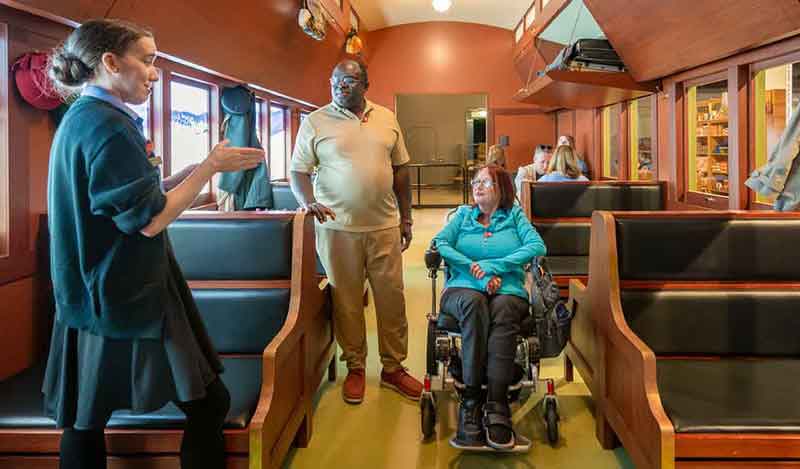
Experience 400 plus years of Canadian history with an exclusive, escorted private tour tailored to your interests. Expert guides, rare stories and personal connections.
Reserve 4 weeks in advance to ensure ample time for research and a truly curated personalized experience.
Check availability and begin your journey ⟶
Visiting us sooner?
While our curated private tours require advance preparation, you can still experience the magic of the Museum. Plan your visit or book a group tour for a wonderful introduction to Canada's immigration story.
Countless Journeys Podcast
Listen in on these original interviews where guests share the obstacles—and the fun—they experienced on their way to building lives in Canada.


Immigration History
Besides race, ideology, and nationalism, immigration restrictions at this time were also deeply intertwined with popular pseudoscience, including eugenics.
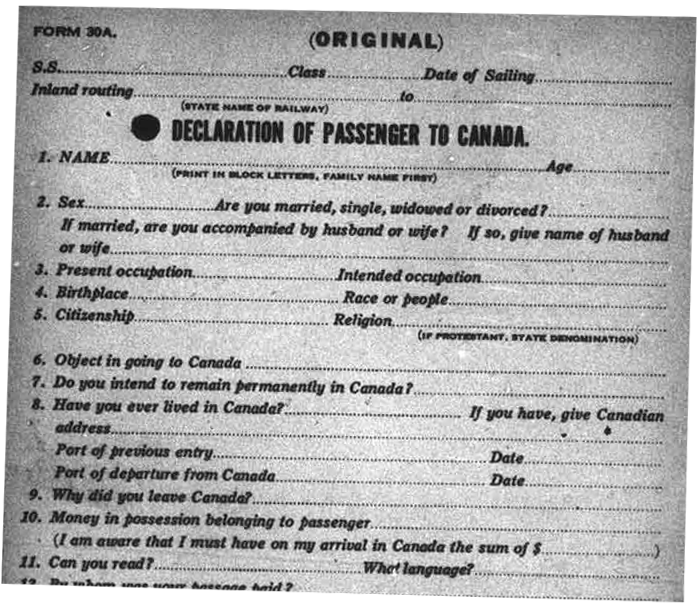
In 1919, the Canadian government amended its immigration law to include a literacy test. Civic literacy testing developed as a tool of exclusion based on theories of race and eugenics. Despite this, the literacy test developed by Canadian immigration authorities was separate in a few important ways from this lineage. That test, the action test of 1920, offers us an example of how broad restrictive influences were adapted and blunted in Canadian practice.
Read the full article: The Action Test of 1920: Literacy and Selection in Canadian Immigration⟶
Monthly Feature
“I want them to feel joy”

Israel Ekanem. Courtesy of Israel Ekanem.